
Affordable Smartphone Options and Services
This guide provides insights into affordable and low-cost smartphone options available through various service providers. It dives into the essential factors such as eligibility criteria and application processes, particularly focusing on the support these services offer through government subsidy programs. Understanding these aspects improves access to essential communication tools, helping bridge the digital divide.
An Overview of Accessible Smartphones
In today's digital age, having access to a smartphone is critical for staying connected, accessing information, and performing everyday tasks. Smartphones serve as essential tools for communication, enabling not just voice calls and texts but also access to social media, email, navigation, and countless applications that can enhance our daily lives. However, the cost is a significant barrier for many people. The price of smartphones can vary widely, with high-end models often costing several hundred dollars. To address this issue, numerous programs offer affordable or low-cost smartphones, ensuring that economic constraints do not prevent individuals from staying connected and engaged in the digital world. This ensures that all individuals, regardless of their financial situation, can access the tools necessary to participate fully in society.
Understanding Government-Assisted Phone Programs
Government-assisted phone programs aim to provide affordable communication options to those in need. These programs are crucial in ensuring that low-income individuals, seniors, and other vulnerable populations have reliable access to communication tools. They are particularly focused on offering smartphones to individuals who fall below certain income thresholds or are part of government assistance programs. These initiatives, such as the Lifeline program in the United States, are essential in bridging the digital divide and providing necessary connectivity.
While originally focused on landlines, the program has evolved over the years to include mobile phones, recognizing that mobility is critical for communication in today’s fast-paced world. By providing subsidized phones and services, these programs enable recipients to stay connected with family, access job opportunities, utilize healthcare services, and engage with education resources online. Moreover, these services can help recipients manage emergencies, a crucial aspect of having a smartphone.
Exploring Various Service Providers
Several service providers are notable in offering affordable or low-cost smartphones through government assistance programs. These providers serve as intermediaries, connecting individuals in need with technology to facilitate communication. Below is a detailed comparison of some of the leading providers, highlighting what they offer and what costs might be incurred:
| Provider | Services Offered | Additional Costs |
|---|---|---|
| SafeLink Wireless | SafeLink Wireless is one of the oldest providers in this space, offering affordable smartphones or bring-your-own-device options. They provide unlimited text, calls, and data services, with allowances varying by plan and state. | Premium device upgrades or additional data over the included quota may incur costs. |
| Assurance Wireless | Assurance Wireless provides affordable Android smartphones, unlimited talk, text, and data allowances. Their plans often include smartphone options that cater to basic needs. | They may charge extra for additional high-speed data or international calling services, depending on the service plan chosen. |
| StandUp Wireless | StandUp Wireless also offers affordable smartphones or BYOD options with unlimited talk, text, and data plans. They provide straightforward options with no hidden fees. | Premium phone upgrades or extra data plans are available for a fee, with transparent pricing. |
| Access Wireless | Access Wireless focuses on unlimited voice, text, and limited high-speed data with Lifeline and ACP benefits. They have flexible plans catering to different types of users. | Data boosts and device upgrades are available at an additional cost. |
| True Wireless | True Wireless offers affordable government-supported phones, voice, and data plans. They are committed to helping people connect without financial strain. | Options for better device upgrades or additional data plans are provided at varying costs. |
For more details on each provider, visit the respective websites: SafeLink Wireless, Assurance Wireless, StandUp Wireless, Access Wireless, True Wireless. Each site offers comprehensive information about plans, coverage areas, and device options.
Eligibility Criteria and Application Process
To qualify for these government-assisted smartphone programs, applicants must meet specific eligibility criteria. Generally, these include having an income at or below 135% of the federal poverty guidelines for Lifeline or 200% for ACP. These income limits are evaluated based on household size, so families may need to provide proof of income when applying. Eligibility may also be based on participation in government assistance programs like Medicaid, SNAP (Supplemental Nutrition Assistance Program), SSI (Supplemental Security Income), FPHA (Federal Public Housing Assistance), or by residing on Tribal lands, which offers additional benefits.
The application process usually involves submitting personal documentation online, including proof of income and eligibility verification documents. Each provider will outline specific requirements, but generally, applicants can expect to provide social security numbers, proof of participation in government welfare programs, or other forms of documentation showing financial need. The verification of eligibility is a critical component of the approval process, and applicants must ensure all documents are submitted accurately and complete. In some cases, approved applicants receive a dedicated support line for inquiries regarding their applications, helping streamline communication with providers.
Frequently Asked Questions
- How can I apply for an affordable or low-cost smartphone?
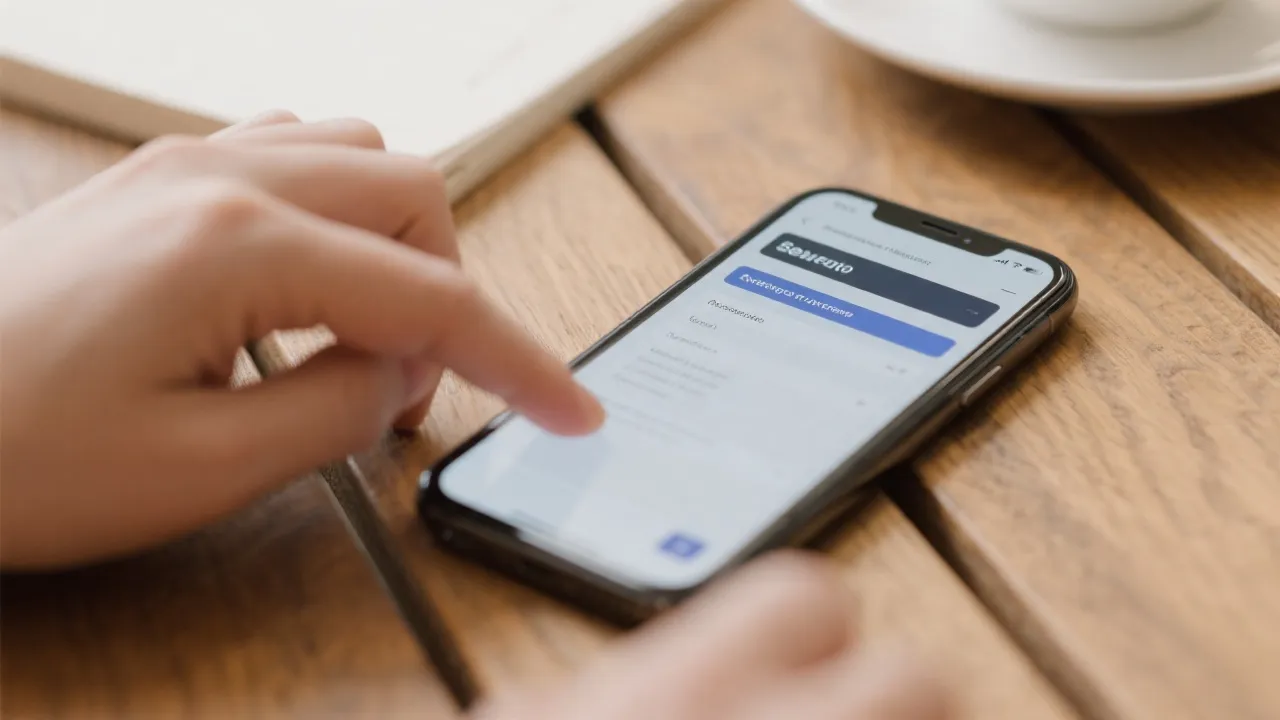
To apply, visit your chosen provider’s website, fill out the application form, and submit the required documentation for eligibility verification. Ensure all forms are filled out completely, as incomplete applications may delay the approval process. - What kind of smartphones are offered through these programs?
Each provider may have different models, often including basic Android devices and sometimes more advanced smartphones. Premium options may be available for an additional cost, and it is advisable to check the specifications of the devices offered to ensure they meet your needs. - Are there any ongoing costs associated with these smartphones?
While the basic services are affordable under these programs, any upgrades to devices or additional data/services usually come at a cost. Users must thoroughly review plan details to understand any potential fees that might apply. - Can I keep my existing phone number?
Most providers allow customers to keep their existing phone numbers, as long as the number can be transferred. It is recommended to contact the new provider or check their website for details on the number transfer process. - How often can I change my plan or provider?
While individuals can change their service plans with most providers, switching providers may involve eligibility checks again. It's essential to be aware of the details before making changes.
The Impact of Affordable Smartphone Programs
The importance of accessible smartphones extends far beyond mere communication. These devices have evolved into integral parts of everyday life, influencing education, employment, and even social engagement. Affordable smartphone programs play a crucial role in helping marginalized communities overcome barriers to technology. By providing smartphones and service plans at little or no cost, these programs empower users to access educational resources, apply for jobs, and maintain personal connections.
In the educational sphere, smartphones serve as gateways to online learning. With the rise of digital classrooms, students without access to smartphones are at a distinct disadvantage. They may miss critical announcements, fall behind in their studies, or struggle to complete assignments that require online access. Similarly, job seekers benefit enormously from smartphone access, as many employers now prefer applications and communications to occur via digital platforms. Without smartphones, individuals often have to rely on public resources such as libraries to search for jobs, which can be limiting and inconvenient. By bridging this gap, affordable smartphone programs actively promote social equity and inclusion.
Challenges and Limitations
While affordable smartphone programs are beneficial, there are still challenges and limitations within these initiatives. Notably, the quality of the devices provided may not match newer, more advanced models, which could limit the functionalities that users can access. For individuals relying on smartphones for educational purposes, the lack of advanced features could hinder their learning experience.
Moreover, while basic texts and calls may be available at no cost, users may find that data speed is limited or throttled after reaching a certain usage threshold. This can be particularly problematic for individuals who need constant access to the internet for research, job applications, or accessing healthcare services. The availability of skilled technical support is also sometimes less robust in low-cost programs compared to standard carriers, leading to frustration for users who encounter issues with their devices.
Furthermore, application approval processes can sometimes be slow, with long wait times for devices to be delivered. This delay can exacerbate existing communication gaps, leaving individuals without the support they need during crucial times in their lives. As technology continues to advance, it is critical for these programs to evolve not only in the devices offered but also in terms of user experience and service support.
Future Directions and Innovations
The future of affordable smartphone programs is promising, with opportunities for innovation and expansion. One potential avenue for development is the integration of more educational resources directly onto the smartphones provided. Collaborations with educational institutions and non-profits could enable curated content to be pre-loaded onto devices, giving users immediate access to valuable learning materials and resources.
Additionally, as 5G technology continues to roll out across the country, ensuring that low-cost programs adopt these advancements will be essential to provide users with high-speed connectivity. This is particularly vital in rural and underserved urban areas where connectivity gaps remain prevalent. By enhancing network coverage and speed, individuals can use their smartphones for more intensive applications, from video calls to streaming services, that require significant bandwidth.
Finally, increasing awareness and outreach about available programs will also be crucial for expanding access to those who can benefit from such services but may not be aware of them. Government and community organizations can work alongside service providers to ensure comprehensive advertising and education about application processes, eligibility criteria, and the full spectrum of services available. The more individuals know about their options, the better equipped they will be to take advantage of the tools necessary for modern life.
Conclusion
Affordable smartphone programs provide crucial access to modern communication tools, helping to level the playing field for those who may not otherwise afford them. By understanding eligibility and application requirements, eligible individuals can benefit from these services, enhancing connectivity. The integration of technology in our daily lives necessitates that no one is left behind due to economic constraints. As society continues to digitize, ensuring access to smartphones for all citizens is a critical step toward creating an inclusive future.
Disclaimer
The above information comes from online resources, and the data is as of October 2023. This website cannot guarantee that applicants will definitely get a government affordable phone. For specific application requirements and how to obtain it, please refer to the official requirements of the provider. This website will not be updated in real time.
References: All information is sourced from the official websites of the respective service providers. These websites are regularly updated to reflect the latest information about available services and eligibility criteria.